About Kirk Steyer
| |
A Professional Foundation Spanning Art, Construction, Engineering, & Problem-Solving
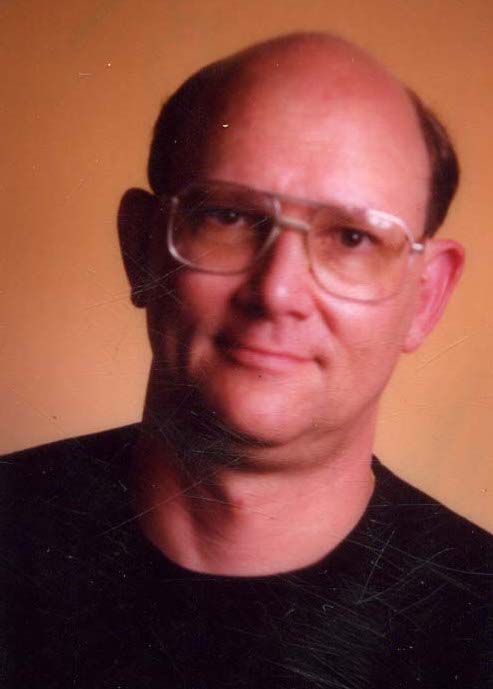
Kirk Steyer’s professional foundation is rooted in designing, building, repairing, & improving complex systems. His experience spans the manufacture of hallmark-quality jewelry, residential & commercial construction, electrical systems & project execution, automotive diagnostics & repair specializing in electronic-control systems, chemical & biochemical engineering, statistical analysis, & regulated pharmaceutical, biotechnology, & medical-device manufacturing.
Together, these disciplines established a practical engineering approach centered on understanding how systems are designed, constructed, operated, maintained, & controlled; identifying where they fail & developing technically defensible solutions capable of implementation & verification.
| |
The Experiences That Shaped His Engineering Practice
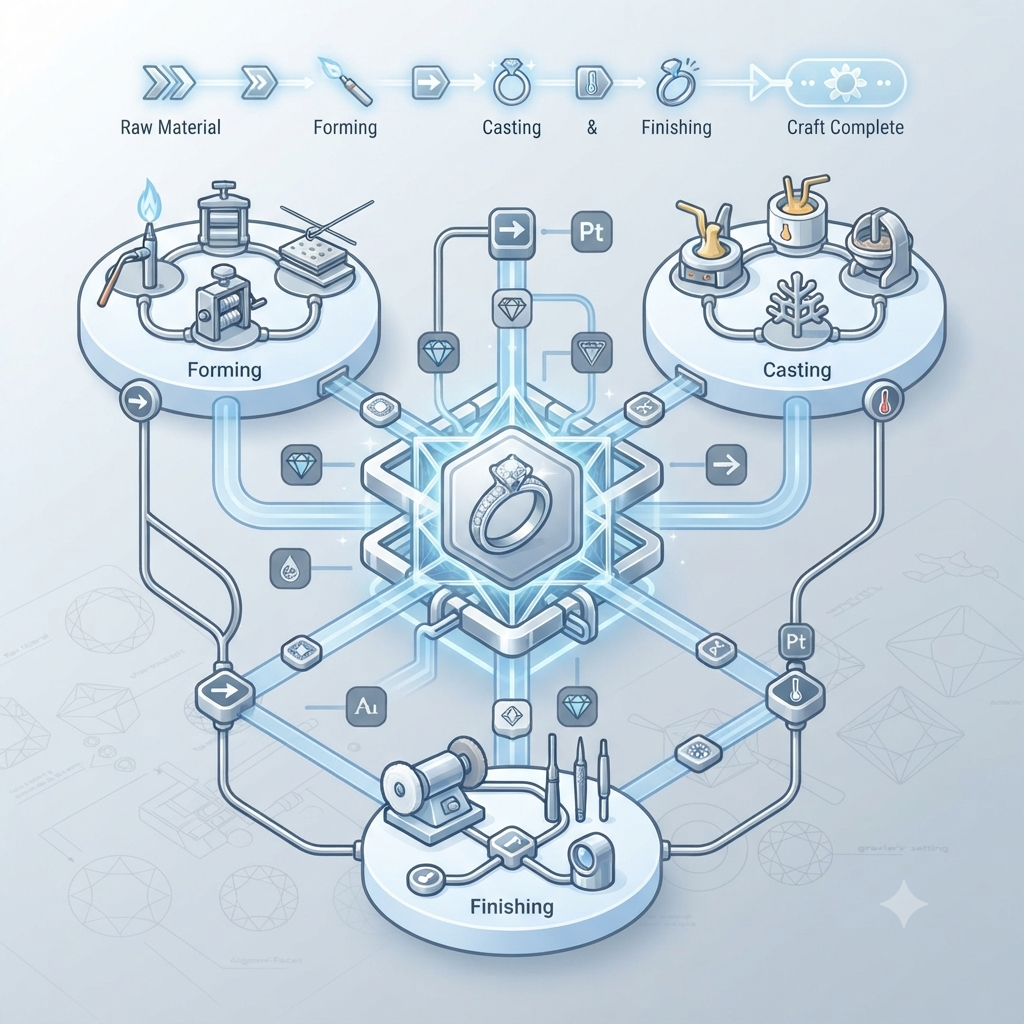
Kirk began developing expertise in the design, manufacture, remanufacture, restoration, & specialized diamond setting of custom fine jewelry while in high school. He expanded this work by establishing a fully equipped commercial manufacturing facility capable of producing highly refined, hallmark-quality jewelry for private clients & retail jewelry businesses.
Custom production required translating an individual concept into a manufacturable design while controlling each stage of fabrication. Work involving sentimental or heirloom jewelry demanded exceptional care because material loss, damage, or manufacturing error could be irreversible, while the jewelry’s personal value could be incalculable.
Each commission required defining customer expectations, establishing design requirements, selecting suitable materials & fabrication methods, managing production, maintaining specialized equipment, resolving manufacturing issues, & delivering finished work that met exacting visual, dimensional, & workmanship standards.
Applying the chemistry of precious metals, alloys, joining materials, & gemstones, together with material selection, dimensional control, fabrication, finishing, inspection, & equipment maintenance, is where Kirk first developed his love of chemistry & engineering. The knowledge, precision, & disciplined process control developed through this work later became directly applicable to engineering design verification, material compatibility, product-contact assessment, process control, & manufacturing readiness.
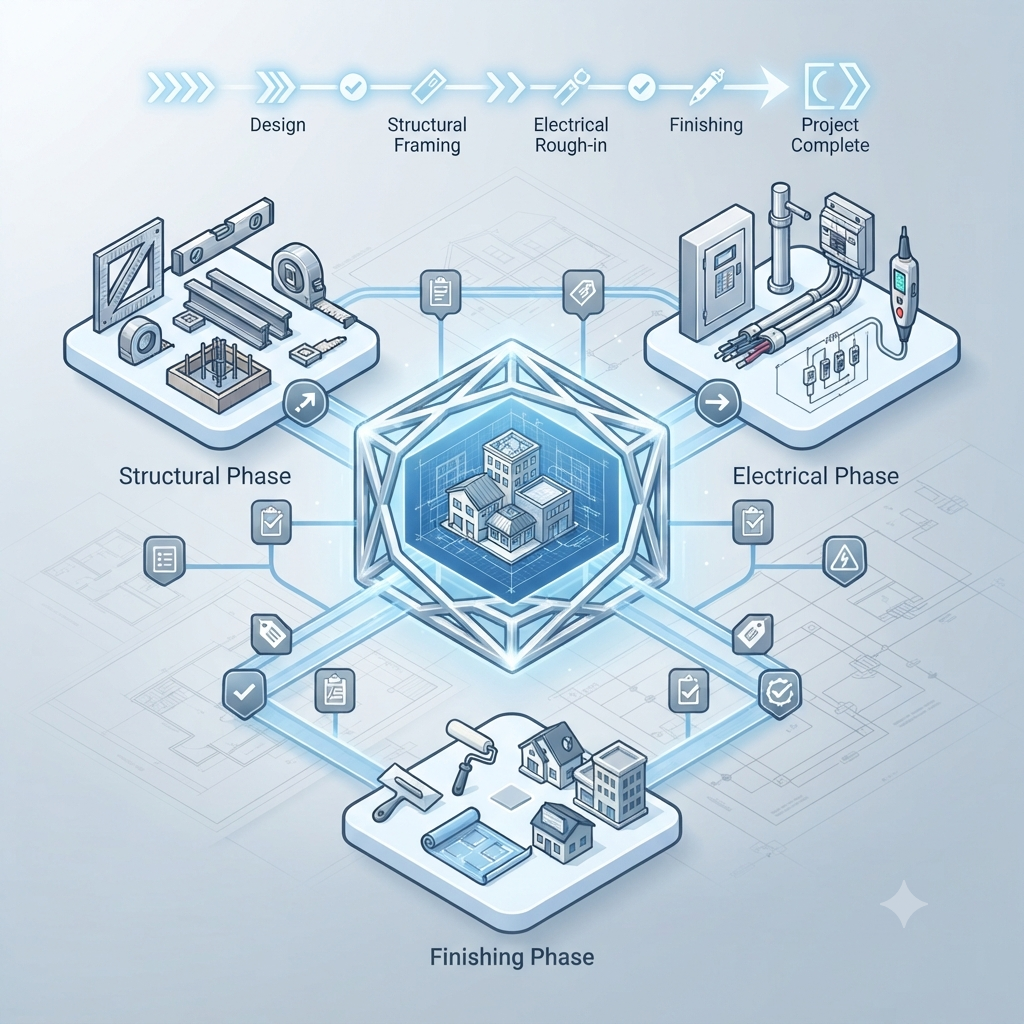
Another part of Kirk’s professional foundation was established at an early age, before high school, through residential & commercial construction work initially undertaken to support the growth of his jewelry business outside regular working hours. His responsibilities progressed through field construction, crew leadership, project supervision, & master-level electrical work.
He directed multiple crews, coordinated labor, materials, schedules, subcontractors, interior designers, architects & site activities, & managed municipal building & fire inspections. This work provided his first direct experience with architecture, engineering, & construction (A/E/C) coordination, oversight across new-construction & renovation projects.
The experience established practical leadership, constructability judgment, field coordination, & problem-solving disciplines later applied to pharmaceutical greenfield & brownfield projects, facility expansions, modernization, remediation programs, equipment-supplier coordination, cross-functional work with Quality, Validation, Manufacturing, & Facilities teams, & direct engagement with regulatory inspectors during formal regulatory inspections.
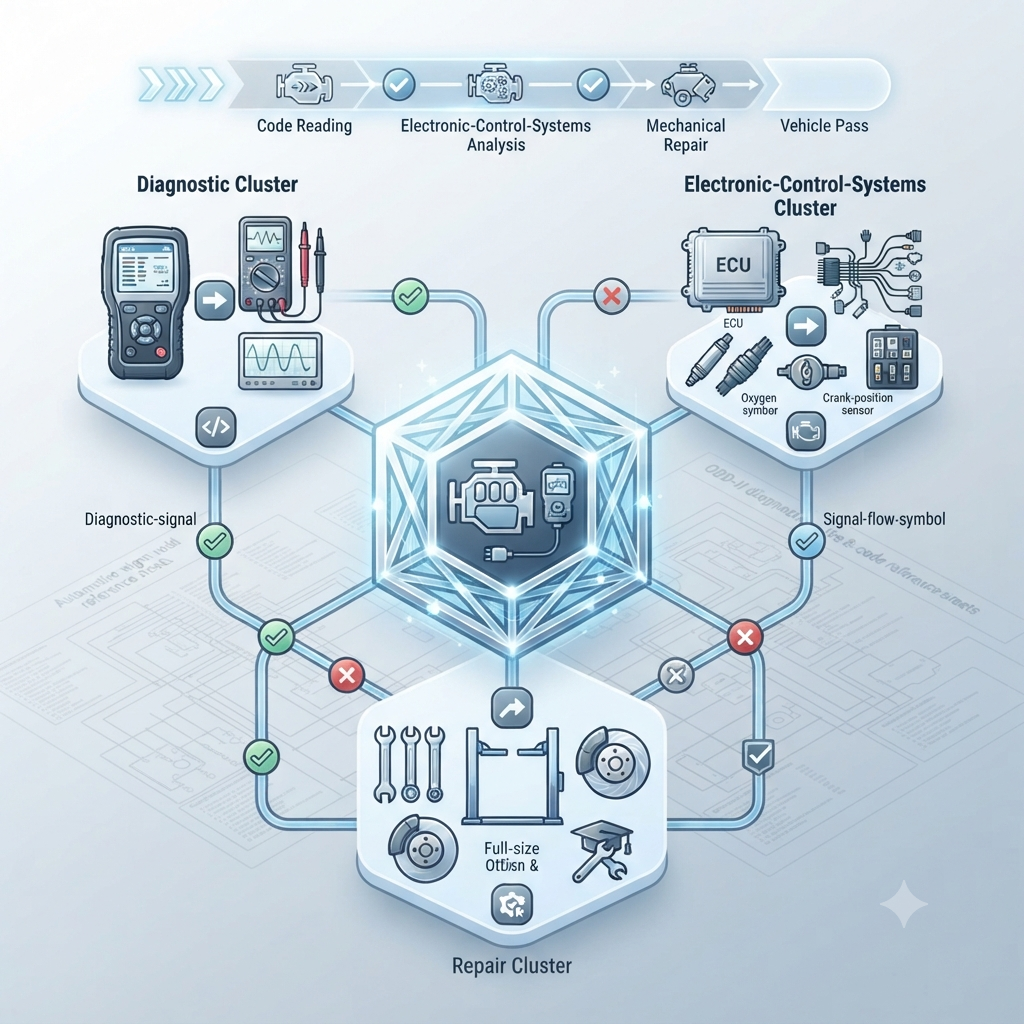
Concurrently, as his undergraduate studies permitted, Kirk worked in automotive diagnostics & repair, specializing in mechanical troubleshooting & the diagnosis of emerging electronic-control systems.
Troubleshooting sensors, actuators, wiring, ignition, fuel-delivery systems, mechanical components, & integrated controls reinforced a systems-based approach to identifying failure modes, testing potential causes, & verifying corrective actions.
This combination of mechanical, electrical, & diagnostic work provided a practical transition into chemical & biochemical engineering, process instrumentation, automated manufacturing controls, & equipment troubleshooting.
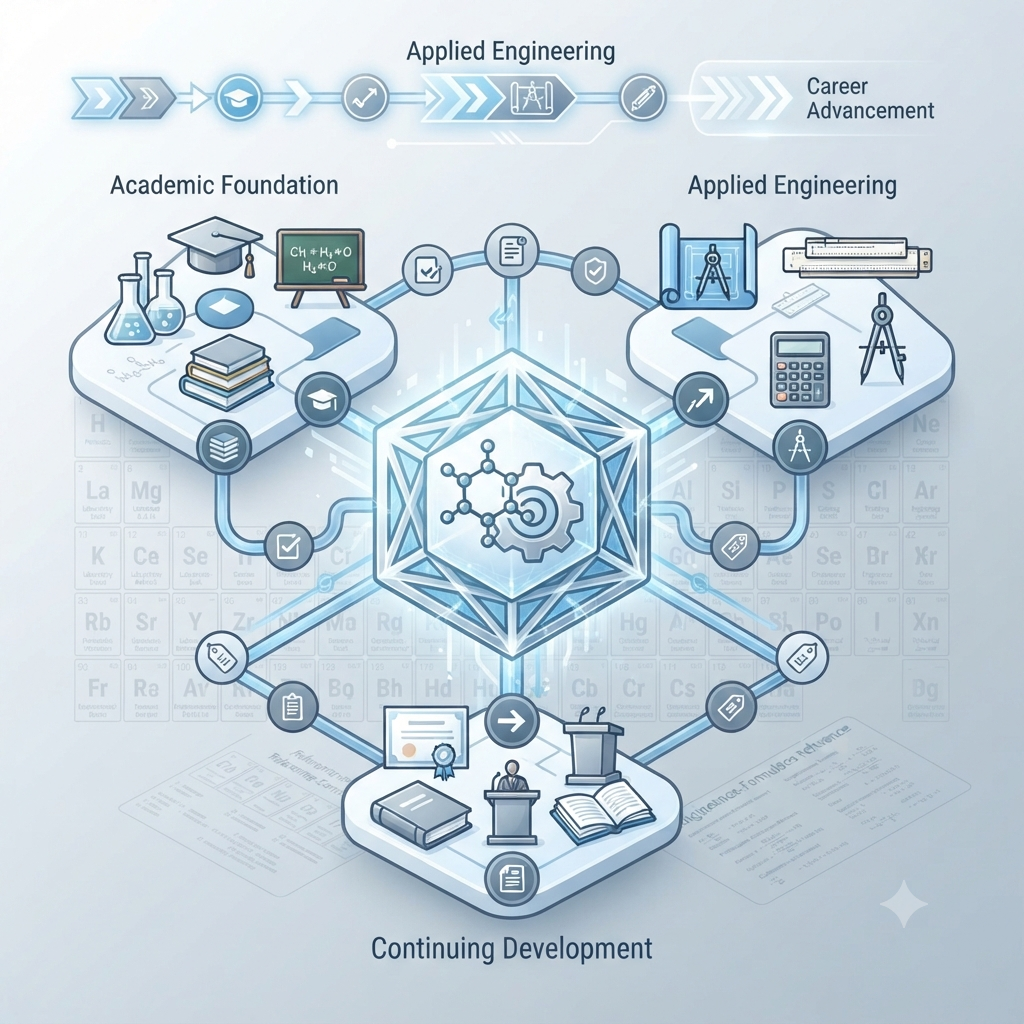
A longstanding interest in chemistry led Kirk to pursue formal academic study in the discipline. His work with an emerging pharmaceutical company during his undergraduate studies confirmed that his strongest contribution lay in engineering the processes & systems used to manufacture regulated products.
This experience led Kirk to change his major to chemical engineering & later emphasis on biochemical engineering, where his practical understanding of equipment, controls, fabrication, & troubleshooting converged with thermodynamics, transport phenomena, physical chemistry, reaction engineering & kinetics, unit-operation design, & biochemical science.
Kirk’s education extends beyond his chemical engineering degree. He has pursued continuing study in statistics, statistical quality control, measurement system analysis, design of experiments, response surface methods, computational fluid dynamics, control of manufacturing processes, Lean Six Sigma, virology, immunology, process modeling, & engineering software.
This continuing technical development supports an engineering practice that combines physical process understanding with data-based evaluation & risk-informed decision-making.
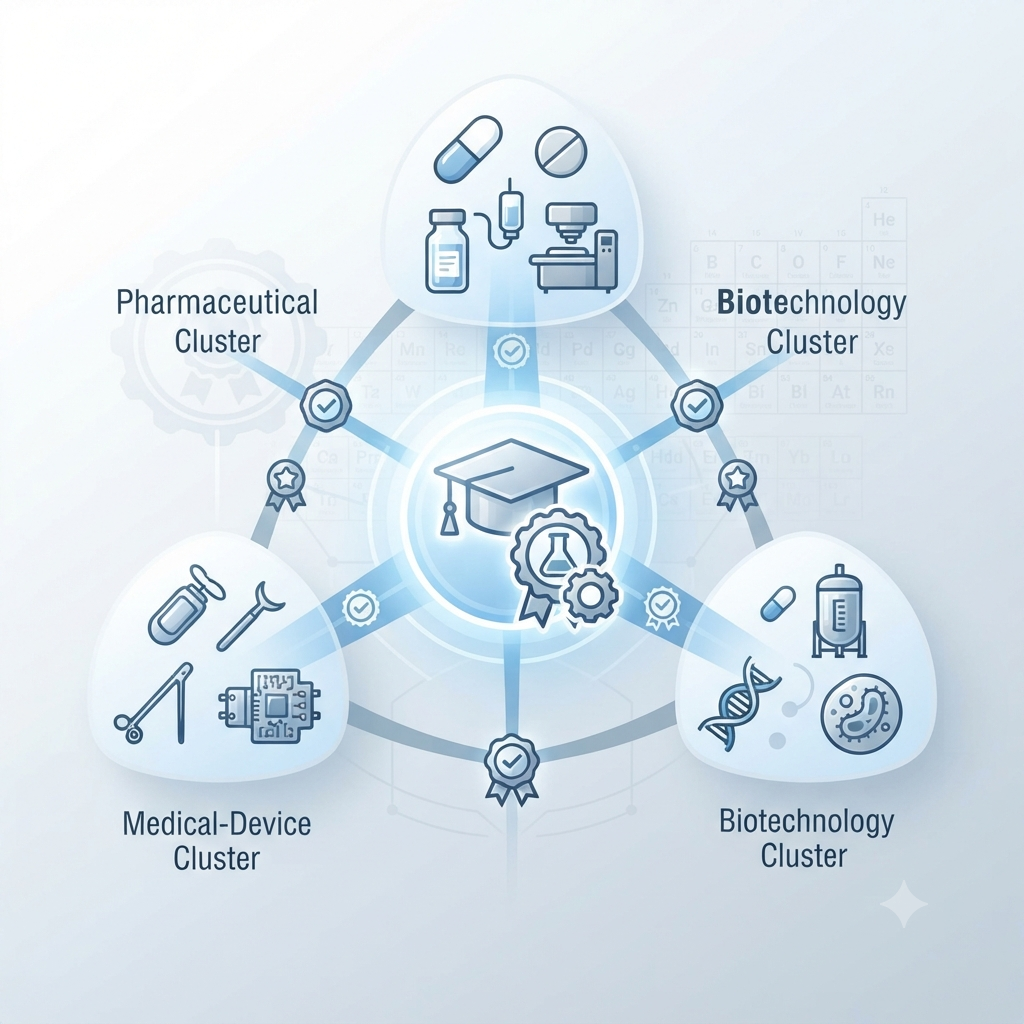
Kirk began his work in regulated manufacturing at an advisory level, guiding pharmaceutical, biotechnology, & medical-device organizations through process development, equipment operation, cleaning, sterilization, & validation activities.
He brought to this work an established understanding of code-based compliance developed through his interpretation of building codes & the National Electrical Code (NEC), together with his earlier work within a pharmaceutical company. This experience provided a practical foundation for rapidly interpreting & applying the Code of Federal Regulations (CFR), European Union regulations, European Medicines Agency (EMA), standards issued by the International Organization for Standardization (ISO), & regulations issued by governmental authorities in other jurisdictions.
His responsibilities expanded across biochemical process engineering, aseptic process development, clinical & commercial manufacturing, facility & equipment design verification, architecture, engineering & construction (A/E/C) oversight, technology transfer, process validation, cleaning validation, sterilization development, critical utilities, quality risk management, contamination control strategy, cGMP remediation, & inspection readiness.
He has since guided these organizations through greenfield & brownfield capital projects, facility expansions, aseptic-process improvements, new manufacturing technologies, scale-up, commercial transfer, regulatory response, & operational handover. His work integrates the efforts of Engineering, Quality, Validation, Manufacturing, MS&T, Regulatory, Microbiology, Facilities, A/E/C teams, contractors, suppliers, & executive leadership.
Kirk combines hands-on knowledge of construction, equipment, controls, fabrication, maintenance, & manufacturing with biochemical engineering & advanced statistical methods. He applies statistical quality control, statistical process control, measurement system analysis, design of experiments, multivariate analysis, process modeling, & risk assessment to distinguish assumptions from evidence, identify meaningful sources of variation, & develop solutions capable of implementation within regulated manufacturing operations.
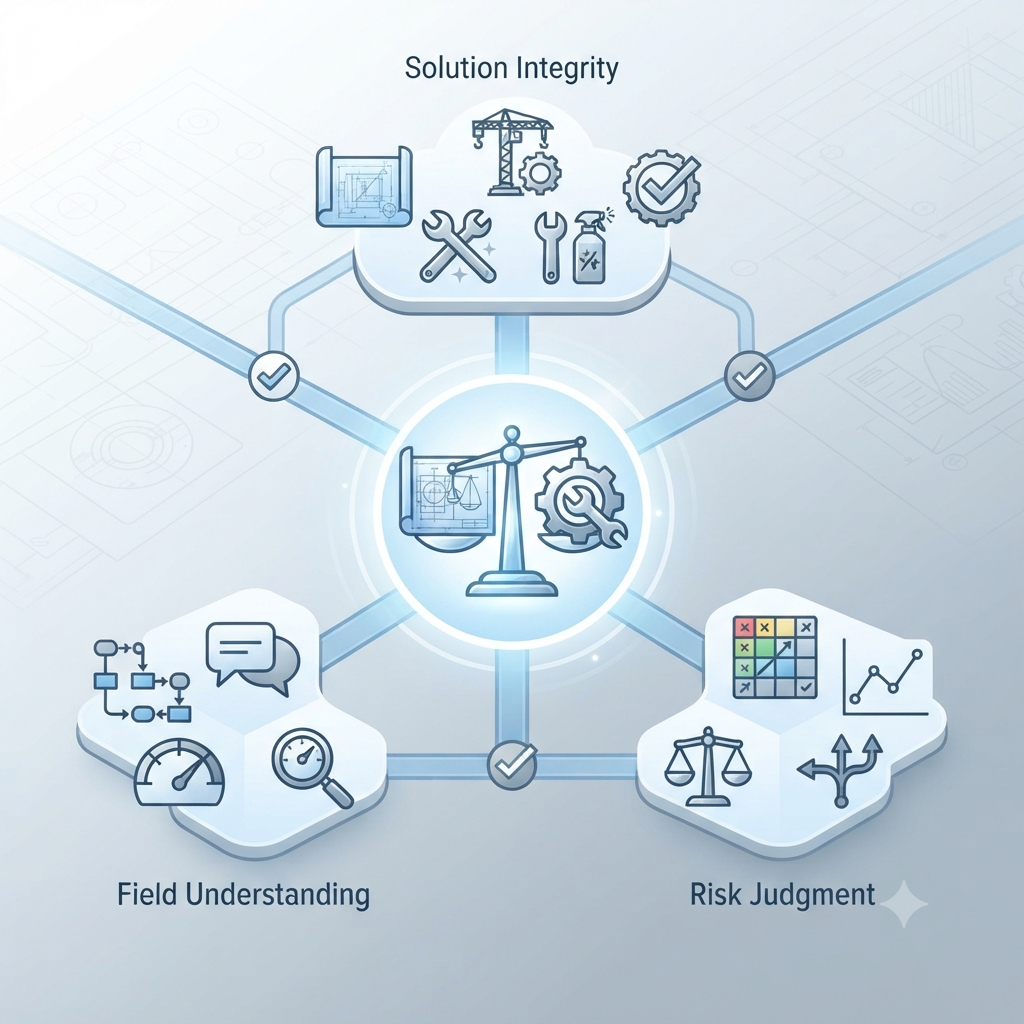
Kirk evaluates engineering decisions across the complete lifecycle, from concept, design requirements, calculations, risk assessments, & equipment selection through construction, commissioning, qualification, operation, maintenance, change control, & final handover.
His approach remains consistent: understand how the system is intended to function, determine how it actually functions, identify the causes & consequences of failure, & establish a defensible path toward improved performance.
Effective consulting requires understanding the complete physical process, reviewing applicable regulatory findings, clarifying the client’s requests, listening to the people who operate the process, evaluating the supporting data, identifying risk without overstating certainty, & presenting managers & site leaders with practical alternatives that the client can implement.

Kirk maintains continuing interests in disciplines that combine analytical reasoning, scientific inquiry, natural systems, & skilled craftsmanship:
Mathematics, statistics, & engineering mathematics
Biochemistry, physical chemistry, & organic chemistry
Natural history, comparative anatomy, & evolutionary biology
Hand-fabricated, hallmarked jewelry design & manufacture
 Kirk Steyer's Linkedin Profile